


You’ve seen it. That impossibly smooth 3D render of a melting building in a pink desert. The fashion campaign where a model floats through cotton candy clouds. The album cover that looks like someone fed Salvador Dalí a bunch of anxiety medication and pastel markers.
Welcome to new surrealism, the aesthetic that’s turned Instagram into a collective fever dream.
It’s Everywhere (And You Can’t Unsee It)
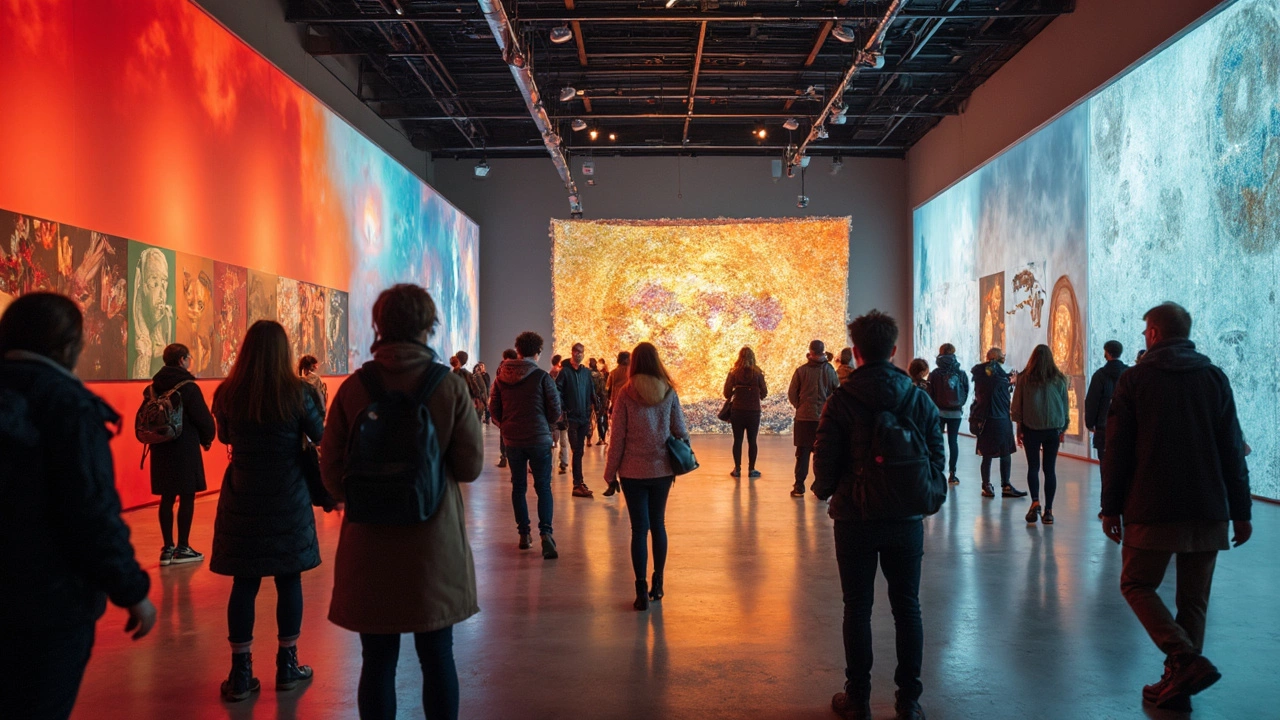
Open Instagram right now. Scroll for thirty seconds. There it is: hyper-smooth gradients, impossible architecture, objects that shouldn’t float but do anyway. Travis Scott’s Utopia campaign leaned hard into this. Jacquemus built an entire brand identity around surreal product photography in dreamlike landscapes.
The look is instantly recognizable. Soft. Pastel. Weightless. Everything has that uncanny valley smoothness you get from Blender or Cinema 4D. It’s surrealism, but make it soothing instead of disturbing.
The Tools Changed Everything
Here’s what happened: professional 3D software became accessible. Midjourney and AI tools arrived. Suddenly, anyone with decent taste and some tutorials could create imagery that looks expensive and otherworldly.
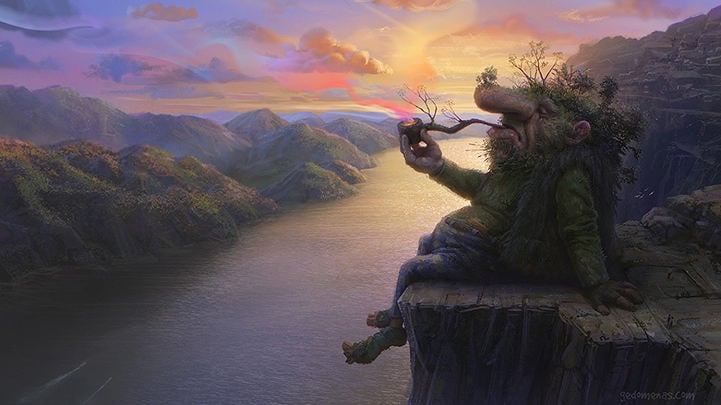
Artists like Six N. Five turned this into an art form, building careers on perfectly rendered impossible spaces. Filip Hodas makes abandoned pop culture relics overgrown with moss. These aren’t just pretty pictures. They’re technically flawless executions of ideas that couldn’t exist in reality.
The algorithmic sweetspot didn’t hurt either. These images stop thumbs mid-scroll. They’re complex enough to be interesting but don’t require you to read anything or understand context.
Why We’re All Living in a Soft Apocalypse
There’s something telling about this aesthetic dominating right now. We’re chronically online, perpetually anxious, living through what often feels like a slow-motion reality collapse. And what’s our visual response? Pastel pink voids. Floating furniture. Melting buildings that look almost peaceful about their own destruction.
It’s escapism, but self-aware escapism. Nobody thinks these worlds are real. That’s precisely the point. They’re spaces where physics is negotiable and everything looks like a screensaver from a very expensive therapist’s office.
Billie Eilish’s visual identity leans into this uncanny prettiness. So does Loewe’s recent advertising. High fashion loves it because surrealism always carried cultural cachet, and this version photographs beautifully for TikTok.

The Problem With Paradise
Here’s the uncomfortable truth: it’s getting repetitive. Another gradient sky. Another impossible arch. Another pristine void with one (1) aesthetically placed object. When DALL-E can generate this on command, does it still mean anything?
Maybe that’s not the right question. Trends cycle. Aesthetics saturate and then evolve. What’s interesting is how thoroughly this visual language has colonized commercial creative work. It’s not just artists experimenting anymore. It’s Fortune 500 companies using surrealist imagery to sell insurance.
For now, the melting clocks and floating clouds continue. Somewhere, Dalí is either spinning in his grave or absolutely thrilled that surrealism finally got a rebrand with better color theory.

Leave a Reply