


By 1914, something was terribly wrong.
Claude Monet stood in front of his canvas and squeezed his eyes shut in frustration. The garden he’d spent decades building looked different now. Wrong. “Colours no longer had the same intensity,” he complained to friends. Reds looked muddy. His paintings were getting darker and darker.
At 72, cataracts were stealing the one thing that mattered most: his ability to see color. 👁️
Doctors told him he needed surgery. Monet refused. He’d watched fellow artist Mary Cassatt go nearly blind after her cataract operations in 1919. He knew what could go wrong. 🩺
So he adapted instead. 🎨
He labeled his paint tubes in big block letters. He memorized where each color sat on his palette. When he could barely tell hues apart, he painted by memory and instinct.
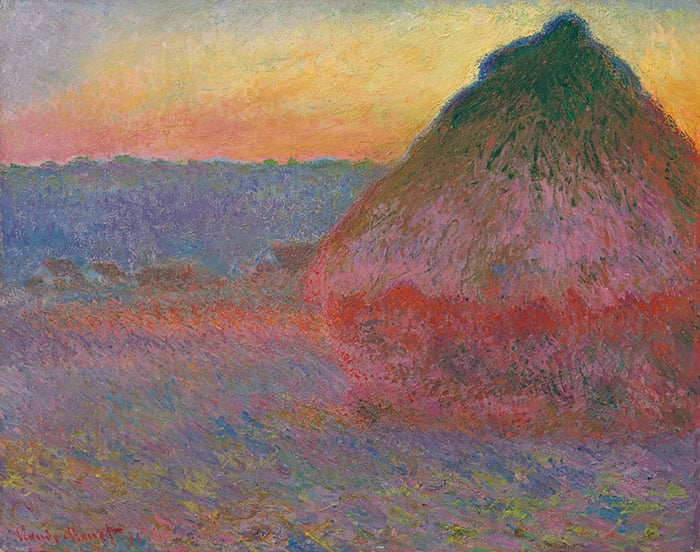
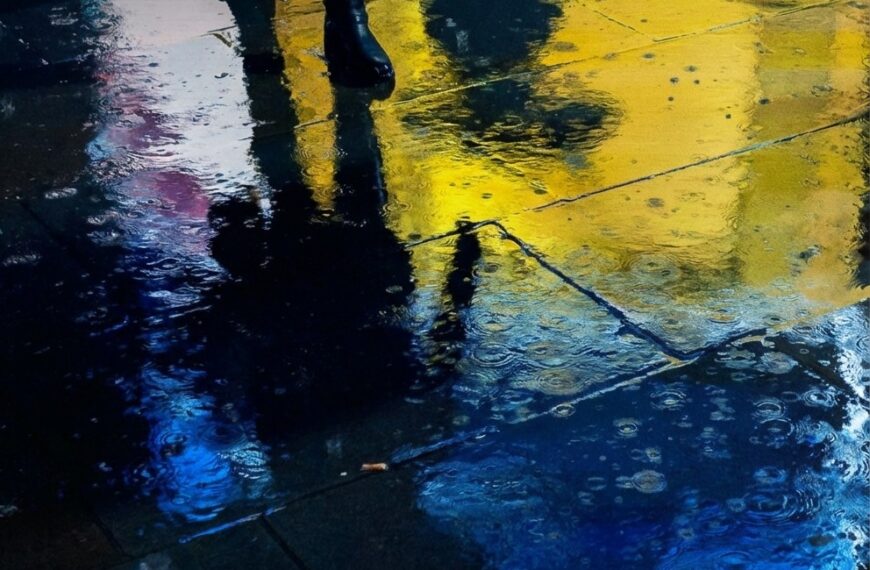
His paintings changed dramatically. The delicate blues and greens of his famous water lilies gave way to blazing yellows, oranges, and reds. Some works looked like his beloved garden was on fire. Critics whispered. Friends worried.
By 1922, his right eye could only perceive light. He was running out of options.
His friend Georges Clemenceau, the former French prime minister, finally convinced him. In January 1923, at 82 years old, Monet underwent surgery on his right eye. 🏥
The recovery was brutal. He tore at his bandages. Complained constantly. “It is to my great chagrin that I regret having had this fatal operation,” he wrote to his surgeon. Colors looked strange through his new glasses. Objects appeared curved and deformed.
For two years, he struggled. ⏳
Then, in 1925, he was fitted with special tinted Zeiss lenses that finally worked. His vision cleared. He could see again.
And he was horrified. 😱
Looking at his cataract period paintings with corrected vision, Monet saw garish colors and wild brushstrokes that embarrassed him. He immediately began destroying canvases, painting over others with the precise blues and greens he remembered.
His friends and family had to physically stop him from erasing years of work. 🛑
Today, those “ruined” paintings he tried to destroy hang in museums worldwide. Art historians see them differently than Monet did. They weren’t mistakes. They were a bridge: linking Impressionism to the abstract expressionism that wouldn’t emerge for decades. 💫
The paintings created when he could barely see became some of his most influential work.
Monet died in 1926 from lung cancer, having painted almost until the end. His enormous water lily panels now fill oval rooms at Paris’s L’Orangerie Museum, immersing visitors in color and light.
The man who feared blindness taught the world that sometimes you don’t need perfect vision to create something extraordinary. ✨
Based on the true story of Claude Monet (1840-1926)



Leave a Reply